
Planning Motherhood Later? A Guide to Egg Freezing & Fertility Preservation
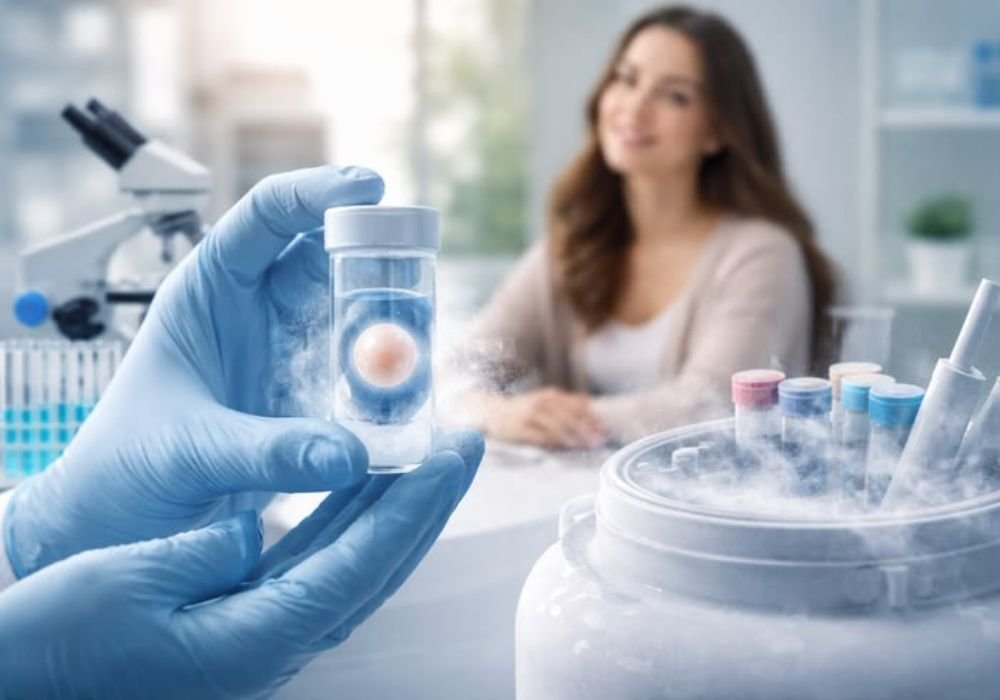
In today’s fast-changing world, many women are choosing to plan their careers, relationships, and personal goals before starting a family. However, fertility naturally declines with age — creating pressure for those who want children later in life. This is where egg freezing, also known as fertility preservation, has transformed reproductive medicine. With advanced technology and globally recognized fertility expertise, Egg Freezing in Bangkok has become an increasingly popular option for women who want to protect their future fertility while maintaining control over life decisions. This comprehensive guide explains everything you need to know about egg freezing — how it works, who should consider it, costs, success rates, and what to expect throughout the journey. What is Egg Freezing? Egg freezing (oocyte cryopreservation) is a medical procedure where a woman’s eggs are collected, frozen, and stored for future use. Later, when she decides to become pregnant: This allows women to preserve younger, healthier eggs for future pregnancy. Why is Egg Freezing Becoming Popular? Modern lifestyles have changed family planning timelines. Women may delay pregnancy due to: Fertility preservation provides reproductive flexibility without rushing life decisions. Understanding Fertility and Age A woman is born with a fixed number of eggs. Egg quantity and quality decline over time: Egg freezing allows women to preserve eggs at a younger biological age. Who Should Consider Egg Freezing? Egg freezing may be suitable for: 1. Career-Focused Women Women not ready for pregnancy but planning future motherhood. 2. Women Without a Partner Yet Preserving fertility while waiting for the right time. 3. Medical Reasons Patients undergoing chemotherapy or treatments affecting fertility. 4. Family History of Early Menopause Preventive fertility planning. 5. Women Wanting Reproductive Security Reducing pressure related to biological clock. Egg Freezing Process: Step-by-Step The procedure is similar to the early stages of IVF. Step 1: Initial Consultation Doctors evaluate: A personalized plan is created. Step 2: Ovarian Stimulation Hormonal injections stimulate ovaries to produce multiple eggs. Duration:8–12 days. Monitoring includes: Step 3: Egg Retrieval A minor outpatient procedure performed under sedation. Step 4: Egg Freezing (Vitrification) Collected eggs are frozen using rapid freezing technology called vitrification. This prevents ice crystal formation and protects egg quality. Eggs are then safely stored in specialized cryogenic tanks. How Long Can Eggs Be Stored? Frozen eggs can remain preserved for many years without quality loss. Scientific evidence shows successful pregnancies even after long storage periods when proper freezing techniques are used. Egg Freezing Success Rate Success depends mainly on age at freezing. Approximate outcomes: Freezing more eggs increases future pregnancy chances. How Many Eggs Should Be Frozen? Doctors usually recommend: Some women may undergo more than one cycle to achieve optimal numbers. Egg Freezing Cost in Thailand One reason international patients choose fertility preservation in Thailand is affordability. Typical cost components: Compared to Western countries, treatment costs in Thailand are significantly more accessible while maintaining international medical standards. Clinics such as BCC IVF & Wellness offer personalized fertility preservation programs for international patients. Why Choose Egg Freezing in Bangkok? Bangkok has become a global fertility destination because of: Many women combine treatment with a short wellness stay in Thailand. Is Egg Freezing Safe? Egg freezing is considered safe when performed at experienced fertility centers. Possible temporary side effects: Serious complications are rare with proper monitoring. Emotional Benefits of Fertility Preservation Beyond medical advantages, egg freezing offers psychological relief. Women often feel: It empowers long-term decision-making. Common Myths About Egg Freezing Myth 1: Egg freezing guarantees pregnancy. Reality: It improves chances but does not guarantee success. Myth 2: Only older women need it. Reality: Younger eggs freeze better. Myth 3: The process is painful. Reality: Most patients experience only mild discomfort. Lifestyle Tips Before Egg Freezing Doctors recommend: Healthy lifestyle improves egg quality. What Happens When You Want Pregnancy Later? When ready: Is Egg Freezing Right for You? Egg freezing is not only a medical procedure — it is a personal decision. You may consider consultation if: Early consultation provides more options. The Future of Fertility Preservation Advancements in reproductive medicine continue improving outcomes through: Fertility preservation is becoming a standard part of modern reproductive healthcare. Final Thoughts Egg freezing has redefined how women approach fertility and family planning. Instead of racing against biological timelines, women now have the opportunity to make thoughtful, empowered decisions about motherhood. With advanced technology, experienced specialists, and patient-centered care, Egg Freezing in Bangkok offers a safe and effective pathway toward future parenthood. If you are considering fertility preservation, consulting a trusted fertility clinic can help you understand your options and create a personalized plan for your reproductive future. 1. What is egg freezing and how does it work? Egg freezing is a fertility preservation procedure where a woman’s eggs are collected, frozen, and stored for future use. When she decides to conceive later, the eggs are thawed, fertilized through IVF, and transferred into the uterus to achieve pregnancy. 2. What is the best age to freeze eggs? The ideal age for egg freezing is between 25 and 35 years, when egg quality and quantity are highest. Freezing eggs at a younger age generally increases future pregnancy success rates. 3. How long can frozen eggs be stored? Frozen eggs can be safely stored for many years without significant loss of quality when preserved using modern vitrification technology. Successful pregnancies have been achieved even after long-term storage. 4. Is egg freezing safe? Yes, egg freezing is considered a safe and well-established medical procedure when performed at an experienced fertility clinic. Most side effects are mild and temporary, such as bloating or slight discomfort during hormonal stimulation. 5. Does egg freezing guarantee pregnancy in the future? No, egg freezing does not guarantee pregnancy. However, it significantly improves the chances of conception later by preserving eggs at a younger biological age.