Uncategorized

Uncategorized

Planning Motherhood Later? A Guide to Egg Freezing & Fertility Preservation

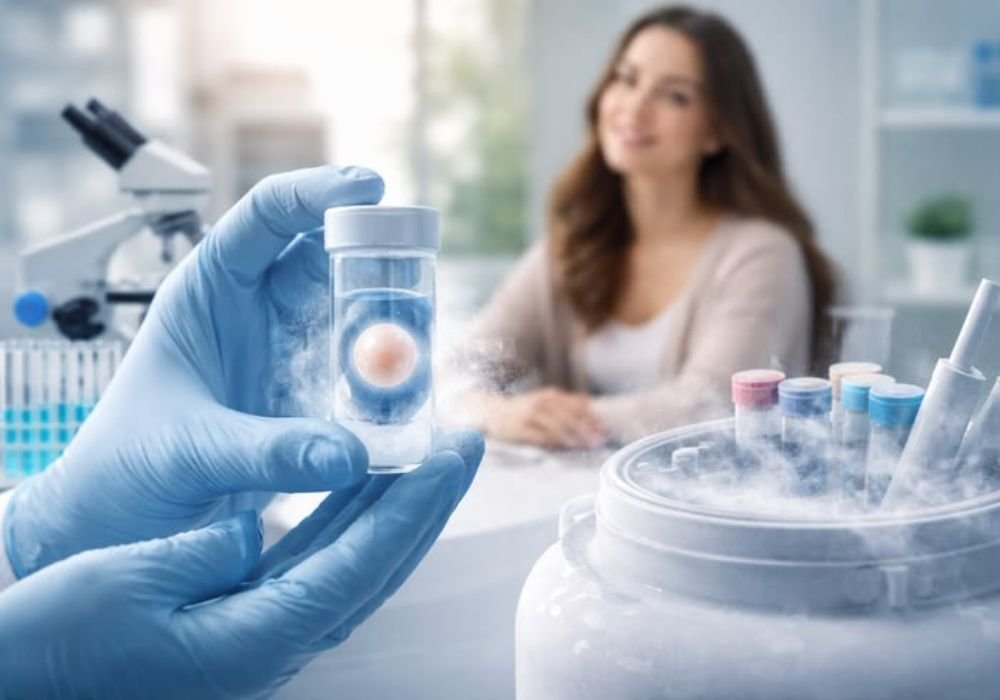
In today’s fast-changing world, many women are choosing to plan their careers, relationships, and personal goals before starting a family. However, fertility naturally declines with age — creating pressure for those who want children later in life. This is where egg freezing, also known as fertility preservation, has transformed reproductive medicine. With advanced technology and globally recognized fertility expertise, Egg Freezing in Bangkok has become an increasingly popular option for women who want to protect their future fertility while maintaining control over life decisions. This comprehensive guide explains everything you need to know about egg freezing — how it works, who should consider it, costs, success rates, and what to expect throughout the journey. What is Egg Freezing? Egg freezing (oocyte cryopreservation) is a medical procedure where a woman’s eggs are collected, frozen, and stored for future use. Later, when she decides to become pregnant: This allows women to preserve younger, healthier eggs for future pregnancy. Why is Egg Freezing Becoming Popular? Modern lifestyles have changed family planning timelines. Women may delay pregnancy due to: Fertility preservation provides reproductive flexibility without rushing life decisions. Understanding Fertility and Age A woman is born with a fixed number of eggs. Egg quantity and quality decline over time: Egg freezing allows women to preserve eggs at a younger biological age. Who Should Consider Egg Freezing? Egg freezing may be suitable for: 1. Career-Focused Women Women not ready for pregnancy but planning future motherhood. 2. Women Without a Partner Yet Preserving fertility while waiting for the right time. 3. Medical Reasons Patients undergoing chemotherapy or treatments affecting fertility. 4. Family History of Early Menopause Preventive fertility planning. 5. Women Wanting Reproductive Security Reducing pressure related to biological clock. Egg Freezing Process: Step-by-Step The procedure is similar to the early stages of IVF. Step 1: Initial Consultation Doctors evaluate: A personalized plan is created. Step 2: Ovarian Stimulation Hormonal injections stimulate ovaries to produce multiple eggs. Duration:8–12 days. Monitoring includes: Step 3: Egg Retrieval A minor outpatient procedure performed under sedation. Step 4: Egg Freezing (Vitrification) Collected eggs are frozen using rapid freezing technology called vitrification. This prevents ice crystal formation and protects egg quality. Eggs are then safely stored in specialized cryogenic tanks. How Long Can Eggs Be Stored? Frozen eggs can remain preserved for many years without quality loss. Scientific evidence shows successful pregnancies even after long storage periods when proper freezing techniques are used. Egg Freezing Success Rate Success depends mainly on age at freezing. Approximate outcomes: Freezing more eggs increases future pregnancy chances. How Many Eggs Should Be Frozen? Doctors usually recommend: Some women may undergo more than one cycle to achieve optimal numbers. Egg Freezing Cost in Thailand One reason international patients choose fertility preservation in Thailand is affordability. Typical cost components: Compared to Western countries, treatment costs in Thailand are significantly more accessible while maintaining international medical standards. Clinics such as BCC IVF & Wellness offer personalized fertility preservation programs for international patients. Why Choose Egg Freezing in Bangkok? Bangkok has become a global fertility destination because of: Many women combine treatment with a short wellness stay in Thailand. Is Egg Freezing Safe? Egg freezing is considered safe when performed at experienced fertility centers. Possible temporary side effects: Serious complications are rare with proper monitoring. Emotional Benefits of Fertility Preservation Beyond medical advantages, egg freezing offers psychological relief. Women often feel: It empowers long-term decision-making. Common Myths About Egg Freezing Myth 1: Egg freezing guarantees pregnancy. Reality: It improves chances but does not guarantee success. Myth 2: Only older women need it. Reality: Younger eggs freeze better. Myth 3: The process is painful. Reality: Most patients experience only mild discomfort. Lifestyle Tips Before Egg Freezing Doctors recommend: Healthy lifestyle improves egg quality. What Happens When You Want Pregnancy Later? When ready: Is Egg Freezing Right for You? Egg freezing is not only a medical procedure — it is a personal decision. You may consider consultation if: Early consultation provides more options. The Future of Fertility Preservation Advancements in reproductive medicine continue improving outcomes through: Fertility preservation is becoming a standard part of modern reproductive healthcare. Final Thoughts Egg freezing has redefined how women approach fertility and family planning. Instead of racing against biological timelines, women now have the opportunity to make thoughtful, empowered decisions about motherhood. With advanced technology, experienced specialists, and patient-centered care, Egg Freezing in Bangkok offers a safe and effective pathway toward future parenthood. If you are considering fertility preservation, consulting a trusted fertility clinic can help you understand your options and create a personalized plan for your reproductive future. 1. What is egg freezing and how does it work? Egg freezing is a fertility preservation procedure where a woman’s eggs are collected, frozen, and stored for future use. When she decides to conceive later, the eggs are thawed, fertilized through IVF, and transferred into the uterus to achieve pregnancy. 2. What is the best age to freeze eggs? The ideal age for egg freezing is between 25 and 35 years, when egg quality and quantity are highest. Freezing eggs at a younger age generally increases future pregnancy success rates. 3. How long can frozen eggs be stored? Frozen eggs can be safely stored for many years without significant loss of quality when preserved using modern vitrification technology. Successful pregnancies have been achieved even after long-term storage. 4. Is egg freezing safe? Yes, egg freezing is considered a safe and well-established medical procedure when performed at an experienced fertility clinic. Most side effects are mild and temporary, such as bloating or slight discomfort during hormonal stimulation. 5. Does egg freezing guarantee pregnancy in the future? No, egg freezing does not guarantee pregnancy. However, it significantly improves the chances of conception later by preserving eggs at a younger biological age.


Uncategorized

Female Infertility: Causes, Symptoms, Diagnosis & Advanced Treatment Options

Infertility is a deeply emotional journey for many couples. While both partners can contribute to fertility challenges, female infertility accounts for nearly 40–50% of cases worldwide. The good news? Modern reproductive medicine offers effective solutions—from lifestyle changes to advanced fertility treatments like IVF. In this complete guide, we’ll cover: Let’s understand everything clearly and professionally. What is Female Infertility? Female infertility is defined as the inability to conceive after: It may also include: Infertility is a medical condition—not a personal failure. Common Causes of Female Infertility Female fertility depends on proper functioning of: If any part is affected, conception may become difficult. 1. Ovulation Disorders Ovulation problems are one of the most common causes. Conditions include: If ovulation doesn’t occur regularly, pregnancy becomes unlikely. 2. Polycystic Ovary Syndrome (PCOS) Polycystic Ovary Syndrome is a hormonal condition where the ovaries produce excess androgens (male hormones). Symptoms include: PCOS affects ovulation and egg quality. 3. Blocked Fallopian Tubes Fallopian tubes transport the egg from ovary to uterus. They may become blocked due to: When tubes are blocked, egg and sperm cannot meet. 4. Endometriosis Endometriosis occurs when uterine lining tissue grows outside the uterus. It may cause: This condition can damage ovaries and fallopian tubes. 5. Age Factor Female fertility declines naturally with age. Egg reserve and chromosomal health decrease over time. 6. Uterine Abnormalities Problems like: May interfere with implantation. Symptoms of Female Infertility Sometimes infertility has no obvious symptoms. But warning signs may include: If periods are irregular, ovulation may not be happening properly. How is Female Infertility Diagnosed? A fertility specialist performs detailed evaluation: 1. Medical History Review 2. Hormone Testing Blood tests check: 3. Ultrasound Scan To examine: 4. HSG Test (Hysterosalpingography) Checks whether fallopian tubes are open. 5. Laparoscopy (if required) To detect endometriosis or internal damage. Treatment Options for Female Infertility Treatment depends on the cause. 1. Lifestyle Modifications In mild cases: These alone may improve fertility. 2. Ovulation Induction Fertility medications stimulate egg release. Used in: Requires close monitoring to avoid multiple pregnancies. 3. IUI (Intrauterine Insemination) In this procedure: Recommended for: 4. IVF (In Vitro Fertilization) In Vitro Fertilization is recommended when: Eggs are fertilized outside the body and embryo is transferred to uterus. 5. Surgical Treatment If structural problems exist: Female Infertility and Emotional Health Infertility impacts mental health significantly. Women may experience: Emotional support is crucial: Remember: infertility is a medical condition—not a reflection of worth. Can Female Infertility Be Prevented? Some causes cannot be prevented (like age-related decline). But you can protect fertility by: When Should You See a Fertility Specialist? Consult a doctor if: Early evaluation improves success rates. Success Rates of Treatment Success depends on: Younger women generally have higher pregnancy success rates. Myths About Female Infertility Myth 1: Infertility is always the woman’s fault. Truth: Male factor contributes in nearly 40% cases. Myth 2: IVF guarantees pregnancy. Truth: No treatment offers 100% success. Myth 3: Stress alone causes infertility. Truth: Stress may affect hormones but is rarely the only cause. Final Thoughts Female infertility is common—and treatable in many cases. Modern reproductive medicine offers hope through personalized treatment plans. The key is: If you are struggling to conceive, consult a qualified fertility expert and explore your options confidently.

Uncategorized

IVF Treatment: A Complete, Honest & Modern Guide to Starting Your Parenthood Journey

Infertility can be emotionally exhausting—but today, medical science offers powerful solutions. One of the most successful and widely used fertility treatments worldwide is IVF (In Vitro Fertilization). Whether you are just starting to explore options or already considering treatment, this detailed guide will help you understand everything about IVF treatment—its process, benefits, success rates, risks, and what to expect. What is IVF (In Vitro Fertilization)? In Vitro Fertilization (IVF) is an advanced assisted reproductive technology (ART) in which fertilization happens outside the body, in a laboratory setting. The term “in vitro” means “in glass,” referring to the lab dish where the egg and sperm are combined. After fertilization, the embryo is carefully monitored and then transferred into the uterus for implantation and pregnancy. IVF is commonly recommended for couples facing: Step-by-Step IVF Process Understanding the IVF process helps reduce fear and confusion. Let’s break it down clearly: 1. Ovarian Stimulation The woman is given fertility medications to stimulate the ovaries to produce multiple eggs instead of one single egg. Doctors monitor: This stage usually lasts 8–14 days. 2. Egg Retrieval (Ovum Pick-Up) Once the eggs are mature: The procedure takes about 20–30 minutes. 3. Sperm Collection On the same day: In cases of severe male infertility, ICSI (Intracytoplasmic Sperm Injection) may be used—where a single sperm is injected directly into the egg. 4. Fertilization in the Lab The eggs and sperm are combined in a controlled environment. Fertilized eggs develop into embryos over 3–5 days. Embryologists carefully monitor: 5. Embryo Transfer One or two healthy embryos are transferred into the uterus using a thin catheter. 6. Pregnancy Test After 10–14 days: This waiting period is often called the “two-week wait.” Who is a Good Candidate for IVF? IVF is recommended for: IVF Success Rates: What You Should Know Success rates depend on several factors: Average IVF Success Rates: Multiple cycles may improve overall success chances. Benefits of IVF Treatment IVF offers several advantages: 1. Higher Pregnancy Rates Compared to other fertility treatments like IUI. 2. Genetic Screening (PGT) Embryos can be tested for chromosomal abnormalities. 3. Helps Severe Male Infertility With ICSI technology. 4. Option for Frozen Embryos Extra embryos can be stored for future use. 5. Helps Same-Sex Couples & Single Parents Through donor eggs, sperm, or surrogacy. Risks and Side Effects of IVF Although generally safe, IVF may have minor risks: Serious complications are rare when done at an experienced fertility center. How to Prepare for IVF? Before starting IVF: Medical Preparation: Lifestyle Preparation: Emotional Aspect of IVF IVF is not just a physical journey—it’s emotional too. Couples often experience: Support systems help greatly: IVF Cost: What Influences the Price? IVF cost varies depending on: Some couples may require multiple cycles for success. IVF vs IUI: What’s the Difference? Factor IVF IUI Fertilization Outside body Inside body Cost Higher Lower Success Rate Higher Moderate Recommended For Severe infertility Mild infertility Doctors decide the best treatment after proper evaluation. Frequently Asked Questions (FAQs) Is IVF painful? Most steps are painless except mild discomfort during injections and egg retrieval. How many IVF cycles are needed? Some couples conceive in first cycle, others may need 2–3 cycles. Can IVF guarantee pregnancy? No fertility treatment guarantees 100% success. Is bed rest required after embryo transfer? No strict bed rest required—normal light activity is fine. Latest Advances in IVF Modern fertility clinics now use: These technologies improve embryo selection and success rates. When to Consult a Fertility Specialist? You should consider evaluation if: Early consultation improves success chances. Final Thoughts IVF treatment has transformed millions of lives globally. It offers hope to couples who once believed parenthood was impossible. With the right fertility clinic, experienced doctors, and emotional support, IVF can be a life-changing solution. If you are considering IVF treatment, consult a qualified fertility expert for personalized guidance.

Uncategorized

Gender Selection in Thailand: Legal, Safe & Advanced IVF Options for International Couples 

For many couples, building a family is not just about having a child — it is also about balance, planning, and making informed reproductive choices. Over the past decade, Gender Selection in Thailand has become one of the most searched fertility services among international patients seeking advanced reproductive solutions. With modern IVF technology, strict medical protocols, and internationally accredited fertility clinics, Thailand — especially Bangkok — has emerged as a trusted destination for safe and ethical IVF gender selection procedures. In this detailed guide, we will explain everything about IVF Gender Selection in Thailand, including legality, process, cost, success rate, ethical considerations, and why international couples choose Thailand for family balancing. What is Gender Selection? Gender selection is a medical procedure that allows parents to choose the sex of their baby before pregnancy. This is done through advanced IVF technology combined with genetic screening. During IVF, embryos are created in a laboratory. Through a process called Preimplantation Genetic Testing (PGT), doctors can identify whether an embryo is male (XY) or female (XX) before transferring it to the uterus. This process is also known as: Is Gender Selection in Thailand Legal? One of the most common questions international couples ask is: Is Gender Selection in Thailand legal? Thailand has specific regulations governing assisted reproductive technologies. Gender selection may be permitted under certain medical and ethical circumstances, especially when linked to genetic conditions or approved reproductive guidelines. Because laws may evolve, it is always important to consult directly with a licensed fertility clinic in Bangkok for accurate and up-to-date information. Reputable centers like BCC IVF & Wellness ensure that all procedures follow proper legal and medical standards. How Does IVF Gender Selection Work? The process of IVF Gender Selection in Thailand involves several medical steps: Step 1: Ovarian Stimulation The female partner receives hormonal medication to stimulate egg production. Step 2: Egg Retrieval Mature eggs are collected through a minor procedure. Step 3: Fertilization Eggs are fertilized with sperm in a laboratory. Step 4: Embryo Development Embryos grow in a controlled lab environment for 5–6 days. Step 5: PGT Testing Through PGT Testing in Thailand, embryologists analyze chromosomal makeup to determine genetic health and gender. Step 6: Embryo Transfer The selected embryo (male or female) is transferred into the uterus. Step 7: Pregnancy Confirmation After 10–14 days, pregnancy testing is done. This advanced approach significantly increases implantation success and reduces genetic abnormalities. Why Couples Choose Gender Selection in Bangkok There are several reasons why Gender Selection in Bangkok is popular among international patients: 1️⃣ Advanced Technology Thailand fertility clinics use modern IVF laboratories and advanced embryo screening systems. 2️⃣ Experienced Specialists Reproductive endocrinologists in Bangkok have extensive experience handling international cases. 3️⃣ High Success Rates Use of PGT improves embryo selection accuracy and pregnancy outcomes. 4️⃣ Medical Tourism Convenience Bangkok offers easy travel access, luxury accommodation, and international patient support. 5️⃣ Affordable Treatment Compared to Western countries, IVF Cost in Thailand is significantly lower. IVF Cost for Gender Selection in Thailand Cost is a major factor when choosing fertility treatment abroad. Average cost breakdown: Compared to: Thailand offers a more cost-effective solution without compromising medical standards. Success Rate of IVF Gender Selection in Thailand When using PGT-based embryo screening, gender determination accuracy is above 99%. Pregnancy success rates depend on: Women under 35 often experience higher implantation rates, while success may decline with age. Advanced clinics in Bangkok report competitive international success statistics when PGT is included. Who Should Consider Gender Selection? You may consider Family Balancing in Thailand if: However, consultation is necessary to determine eligibility and legal compliance. Ethical Considerations of Gender Selection Gender selection is a sensitive topic worldwide. Ethical debates revolve around: Thailand regulates fertility procedures to ensure ethical compliance and patient safety. Reputable fertility clinics prioritize medical responsibility and informed consent. Medical Tourism Advantage: Why Bangkok? Choosing IVF Treatment in Bangkok for gender selection offers multiple benefits: Many couples combine fertility treatment with a short, peaceful stay in Thailand. Travel Timeline for International Patients Typical travel process: Some cases may require two visits depending on medical needs. Emotional and Psychological Support The fertility journey can be emotionally demanding. Advanced fertility clinics focus on: This holistic care improves patient confidence and overall experience. Risks and Safety Considerations Like any medical procedure, IVF carries potential risks such as: However, modern protocols and experienced specialists minimize complications. Choosing a reputable clinic is essential for safety. FAQs About Gender Selection in Thailand Is gender selection 100% accurate? PGT testing offers over 99% accuracy in identifying embryo gender. Is it safe? When performed in licensed fertility clinics, IVF gender selection is medically safe. How long do I need to stay in Bangkok? Most patients stay around 10–14 days. Is it cheaper than Western countries? Yes, IVF Cost in Thailand is significantly lower. Can international couples apply? Yes, many clinics specialize in international patient services. Final Thoughts Gender Selection in Thailand has become a leading option for couples seeking advanced reproductive technology combined with affordability and medical excellence. With cutting-edge laboratories, experienced fertility specialists, and supportive patient care, Bangkok offers a reliable destination for IVF-based gender selection. If you are exploring IVF Gender Selection in Thailand, consult a trusted fertility center in Bangkok to understand your options, legal eligibility, and personalized treatment plan. Taking the right step today could bring you closer to building the balanced family you envision.

Uncategorized

IVF Treatment in Bangkok: Complete Guide for International Couples (2026)

Infertility can be an emotional and challenging journey for many couples. If you are searching for IVF Treatment in Bangkok, you are not alone. Over the past decade, Bangkok has become one of Asia’s leading destinations for advanced fertility care, attracting patients from the Middle East, India, Australia, Europe, and the United States. With world-class medical facilities, experienced fertility specialists, advanced genetic testing, and affordable treatment costs, IVF Treatment in Thailand is now considered a top choice for international couples seeking safe and effective fertility solutions. In this complete guide, we will explain everything you need to know — from the IVF process and success rates to cost, legal aspects, and why Bangkok is a preferred fertility destination. Why Choose IVF Treatment in Bangkok? Bangkok has developed a strong reputation for medical tourism. When it comes to fertility treatment in Bangkok, clinics offer: Clinics like BCC IVF & Wellness provide personalized treatment plans for couples facing infertility challenges. Many international patients choose IVF Treatment in Bangkok because: ✔ High medical standards✔ Advanced embryo screening (PGT)✔ Short waiting times✔ Comfortable travel & stay facilities What is IVF and How Does It Work? In Vitro Fertilization (IVF) is a process where an egg and sperm are fertilized outside the body in a laboratory. The resulting embryo is then transferred into the uterus. Step-by-Step IVF Process: Many couples opt for PGT Testing in Thailand to increase implantation success and reduce genetic abnormalities. IVF Success Rate in Thailand One of the most searched questions is:What is the IVF Success Rate in Thailand? Success rates depend on: In leading fertility centers in Bangkok, success rates can range between: Use of PGT Testing in Thailand significantly improves embryo selection, leading to higher pregnancy outcomes. IVF Cost in Thailand Another major reason couples choose IVF Treatment in Bangkok is affordability. Average IVF Cost in Thailand: Compared to: This makes Thailand a cost-effective option for international patients. Gender Selection in Thailand One of the most requested services is Gender Selection in Thailand. Using advanced Preimplantation Genetic Testing (PGT), embryos can be screened before transfer. However, legal regulations apply, and consultation is required to determine eligibility. Thailand has become a known destination for couples seeking family balancing options under proper medical and ethical guidelines. Why International Patients Prefer Bangkok Bangkok offers more than just treatment. It provides: Patients can combine fertility treatment with a peaceful stay in Thailand. Who Should Consider IVF Treatment in Bangkok? You may consider fertility treatment in Bangkok if: Advanced Genetic Testing (PGT) in Thailand PGT Testing in Thailand allows doctors to examine embryos for chromosomal abnormalities before implantation. This helps reduce the risk of: Clinics like BCC IVF & Wellness use advanced embryo screening technologies to improve implantation success. Travel Process for IVF in Bangkok For international patients: Many clinics provide international coordination support. Emotional Support During IVF Journey IVF is not just medical; it is emotional. Bangkok fertility centers focus on: This holistic approach makes IVF Treatment in Thailand comfortable and reassuring for couples. Frequently Asked Questions Is IVF Treatment in Bangkok safe? Yes. Thailand has internationally accredited fertility clinics with experienced embryologists and reproductive specialists. How long do I need to stay in Bangkok for IVF? Usually 10–14 days per cycle. Is Gender Selection in Thailand legal? It depends on medical and ethical guidelines. Consultation is necessary. Is IVF cheaper in Thailand? Yes, IVF Cost in Thailand is significantly lower than Western countries. Final Thoughts Choosing the right fertility clinic is one of the most important decisions in your parenthood journey. With advanced medical technology, experienced specialists, affordable pricing, and high success rates, IVF Treatment in Bangkok has become a trusted option for international couples. Whether you are exploring IVF, PGT Testing in Thailand, or Gender Selection in Thailand, Bangkok offers safe, modern, and compassionate fertility care. If you are ready to begin your journey, consult with a trusted fertility expert in Bangkok and take the first step toward building your family.

© 2026 Bankok Central Clinic IVF . All rights reserved. | Designed by Artistry Media

Scroll to Top